Concrete Leveling in Mesquite, TX
A dropped sidewalk panel or settled patio edge can create a trip point, trap water, and keep moving as Mesquite soil dries and rewets. Marcus evaluates whether concrete leveling can restore a useful slope without replacing the slab. Call (214) 380-2892 to describe the location and movement, or send photos that show joints, nearby drainage, cracks, and the height difference.
Call (214) 380-2892 or use the homepage contact form. Include the address, photos if available, and what is cracked, heaving, settling, or holding water.
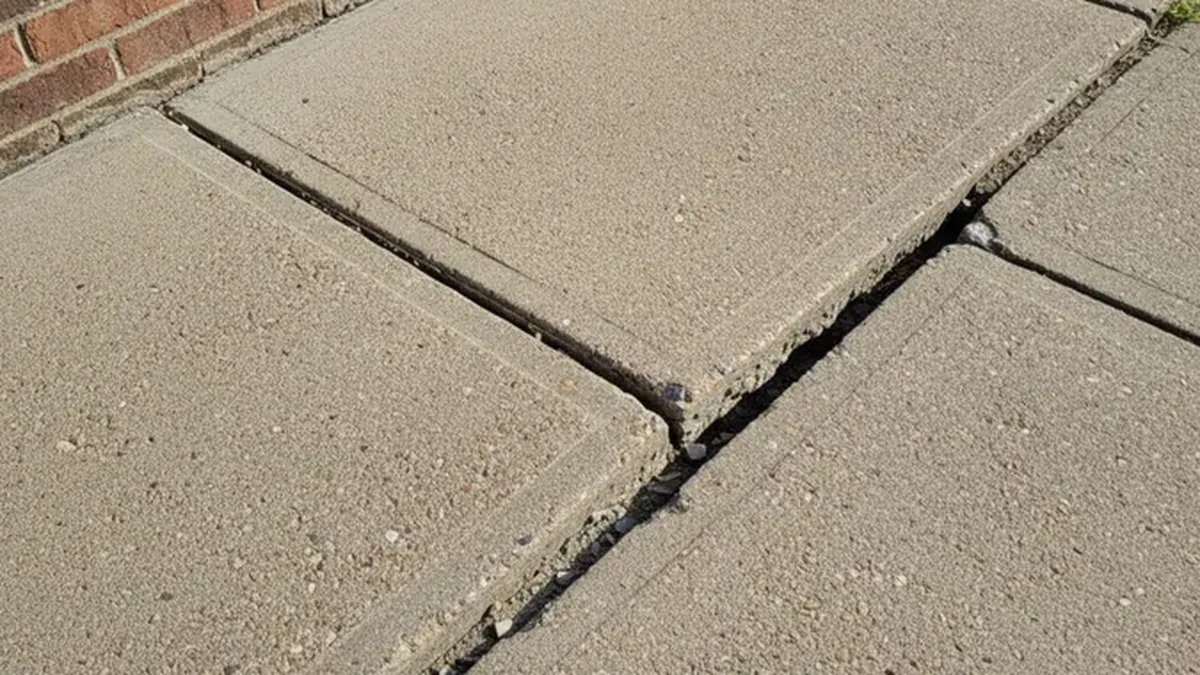
Leveling Treats Elevation, Not Every Concrete Problem
Leveling raises a settled slab by filling voids and supporting the panel from below. It can be useful for sidewalks, patios, driveway sections, and small exterior slabs that remain mostly intact. The slab needs enough strength to lift as a panel. Concrete broken into many pieces, severely spalled, pushed upward by swelling soil, or mis-sloped from the original pour may not be a good lifting candidate.
Marcus measures the elevation difference, checks crack pattern, looks for movement at adjoining sections, and studies where water goes. A trip edge may come from settlement, but it can also come from the neighboring panel heaving upward. Raising the wrong side would make drainage and alignment worse. The estimate separates settlement from heave before a method is recommended.
Why Voids Form Under Mesquite Slabs
Dallas County black clay loses volume during drought. The slab does not always settle immediately, so an open space can remain below it until traffic or rain shifts the support. Water running along an edge can also carry fine material away or soften a poorly compacted area. Downspouts, irrigation, roof runoff, and low grades are important clues around a settled walk or patio.
When rain returns, the clay may swell unevenly. That means lifting the concrete is only part of the decision. The water source and edge support may need attention so the new elevation has a better chance to remain useful. Marcus explains visible drainage concerns and whether a panel appears stable enough for leveling or too damaged for a sensible lift.
Controlled Lift and Practical Limits
Leveling material is introduced through small holes while the slab elevation is monitored. The goal is a controlled correction, not forcing every old panel into perfect new-construction alignment. Nearby foundations, garage floors, steps, utility lines, and connected slabs limit movement. An experienced scope allows for those constraints and sets a reasonable target before injection begins.
Cracks do not disappear when a panel is raised. Some may close slightly, while others remain visible and need separate treatment. Surface wear also remains. Homeowners choosing leveling are usually preserving serviceable concrete and reducing a trip or drainage problem, not buying a brand-new appearance. That distinction helps compare the cost fairly with section replacement.
Heat, Access, and Return to Use
Polyurethane foam reacts and sets quickly, but hot weather changes working conditions and product behavior. Mesquite days above 100°F call for attention to storage, slab temperature, injection pace, and the amount used at each point. The crew also needs clear access to drill locations and enough room to monitor joints and edges throughout the lift.
One advantage of many leveling systems is a faster return to use than demolition and repouring, but the exact timing belongs to the selected material and completed repair. Heavy vehicle areas deserve extra caution. Marcus states the expected access restrictions in the quote and does not treat a sidewalk lift and a driveway panel as the same load case.
What Concrete leveling Costs in Mesquite, TX
These are planning ranges. Final cost depends on measured area, access, demolition, base condition, drainage, materials, finish, and scheduling.
- Single sidewalk or small slab lift: $500–$1,200 depending on access and void size
- Multiple walkway panels: $900–$2,000
- Patio or driveway section leveling: $1,200–$3,000 depending on area and lift
- Section replacement alternative: $700–$2,000 for a limited panel or apron when lifting is not suitable
How the Work Is Done
- Diagnose settlement. Measure dropped edges, distinguish settlement from heave, inspect cracks, and review runoff, downspouts, irrigation, and adjoining structures.
- Plan injection points. Set practical lift targets and locate holes so material can fill the void while the panel remains observable.
- Lift in controlled stages. Introduce material gradually, monitor joints and edges, and stop at the safe useful elevation rather than forcing movement.
- Patch and review drainage. Close injection holes, explain remaining cracks or wear, confirm access timing, and identify water corrections that may reduce repeat settlement.
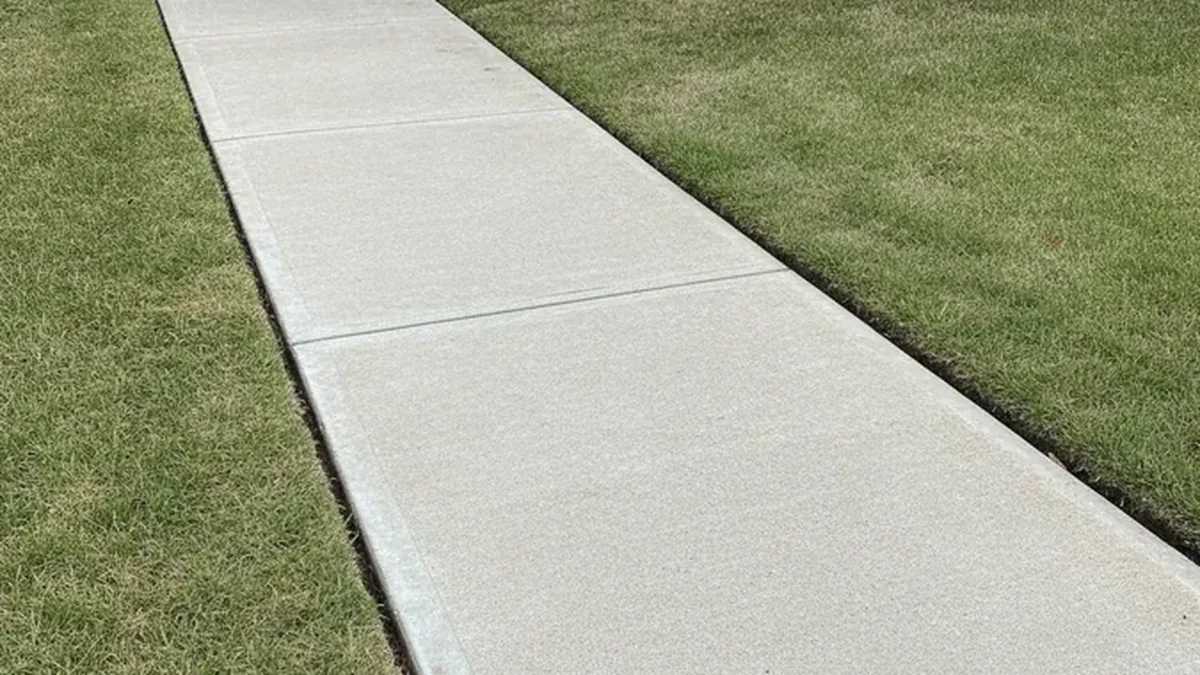
Polyurethane Foam or Mudjacking?
Polyurethane foam uses a lightweight expanding material and typically needs smaller injection holes. It reaches working strength quickly and adds less weight over weak soil. Material cost can be higher, and the expansion must be controlled carefully near foundations, steps, and connected concrete.
Mudjacking pumps a heavier cementitious slurry through larger holes. It has a long history and can be cost-effective in the right setting, but the added weight may be a drawback over unstable expansive clay. Access, slab size, void volume, future soil movement, and load determine the better fit. Marcus compares the method with section replacement rather than assuming every intact panel should be lifted.
What Happens When You Call
Marcus answers the practical questions first: where the property is, what the surface is doing, how the space is used, and whether photos are available. He can usually tell you what must be checked in person before anyone talks about a final scope.
The estimate starts with the property rather than assumptions about conditions that have not been inspected. You get a clear explanation of the likely work, the price drivers, the next scheduling step, and any reason a different service may fit better.
Service Area and ZIP Codes
Concrete leveling evaluations begin in Mesquite and may include nearby Garland, Balch Springs, and Sunnyvale. Because settlement and heave can look similar in photos, final method and lift targets are set only after the slab and drainage are checked in person.
Mesquite service ZIPs: 75149, 75150, 75181, and 75182.
Frequently Asked Questions
How much does concrete leveling cost in Mesquite, TX?
A small single-panel lift may run $500–$1,200. Multiple walk panels often run $900–$2,000, and patio or driveway sections may run $1,200–$3,000. Void volume, access, lift height, material, and slab condition affect the estimate.
Where do you provide concrete leveling estimates?
Mesquite, TX is the primary service area. Nearby Garland, TX, Balch Springs, TX, Sunnyvale, TX projects are considered when the scope, access, route, and schedule fit.
How soon can I use concrete after leveling?
Return-to-use timing depends on the material and whether the slab carries foot traffic or vehicles. Many polyurethane systems set quickly, but the quote should state the actual restriction. Driveway loads deserve more caution than a residential sidewalk.
Does concrete leveling fix cracks too?
Leveling addresses elevation and support. Existing cracks usually remain visible and may need separate treatment. Some gaps can narrow during a lift, but a homeowner should not expect an old slab to look new. Active black-clay movement can also create future cracking.
Is polyurethane foam better than mudjacking on black clay?
Polyurethane is lighter and usually uses smaller holes, which can be useful over weak or expansive soil. Mudjacking uses a heavier slurry and may cost less in some settings. Slab condition, void size, access, load, nearby structures, and soil movement determine the fit.
Talk Through the Project With Marcus
If one side of a slab has dropped, include a photo taken across the joint and another showing nearby drainage. Marcus can explain whether the next step is a leveling assessment, a drainage correction, limited replacement, or a different repair path.
Call (214) 380-2892 or use the contact form with the property address, photos, approximate dimensions, and the problem you want solved.